Online payday loans
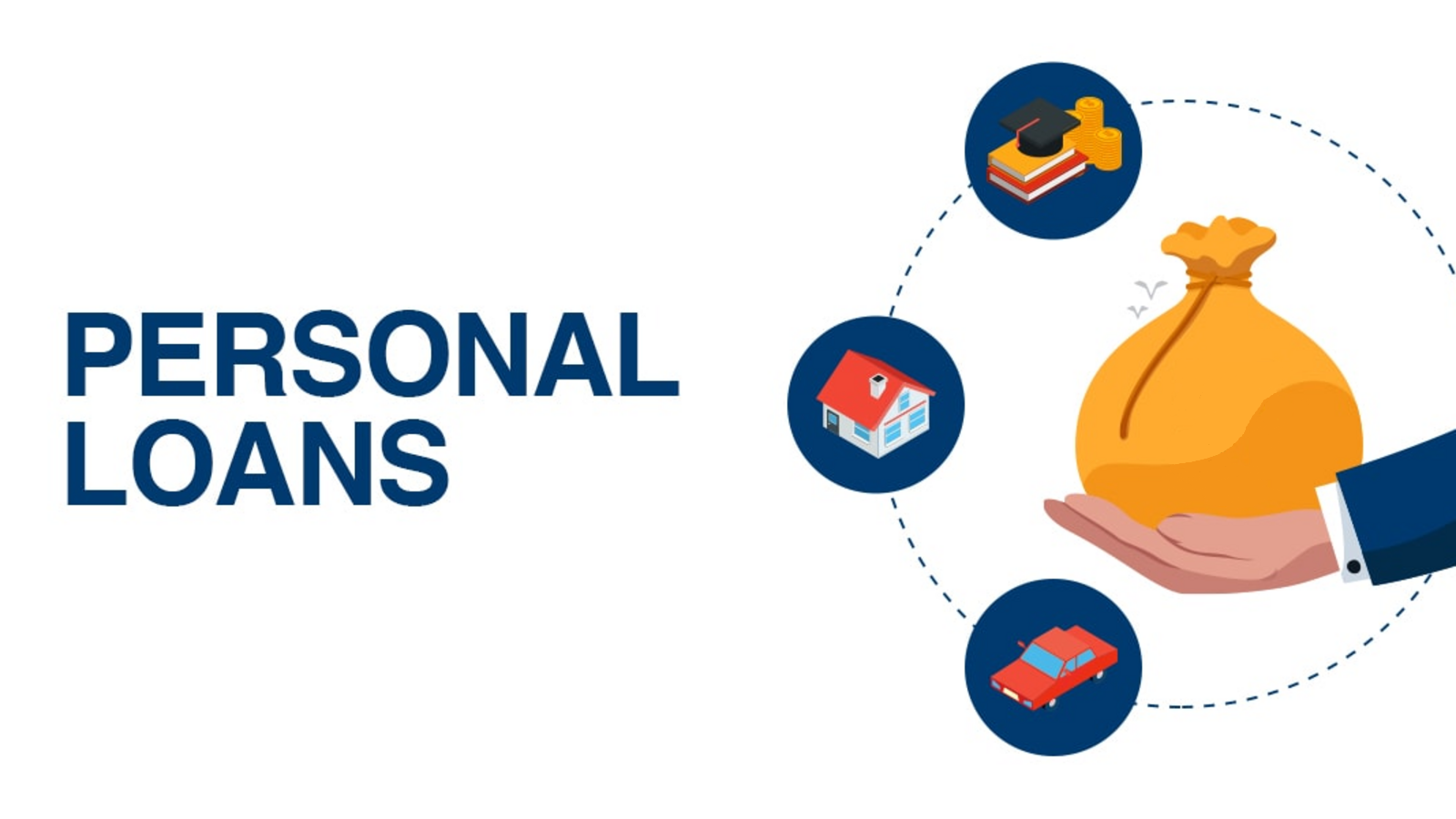

Avoid impulse borrowing by assessing your financial situation carefully. Online payday loans, while sometimes convenient, come with high interest rates and fees that can quickly mount if not managed properly. Before proceeding, consider all alternatives such as borrowing from friends or family, or exploring payment plans with existing creditors.
Notably, the application process for online payday loans is simple and fast, usually involving a short form to fill out with basic personal and financial information. Approval can be instant and funds often become available within the same day, making them an enticing option for urgent monetary needs.
However, this convenience can lead to setbacks if repayment terms are not clearly understood. Pay close attention to interest rates, typically ranging from 300% to 900% APR, and ensure you have a repayment plan in place before committing. Defaulting on a payday loan can lead to a cycle of debt that is difficult to escape, impacting your credit score and financial stability.
While weighing the pros and cons, evaluate your capacity to repay the loan on time. For those in steady employment with predictable income, a payday loan might offer a short-term solution. However, if your income varies or future expenses are uncertain, alternative financial strategies may be wiser.
In conclusion, responsible borrowing begins with informed decision-making. Understanding the intricacies of payday loans helps mitigate risks, ensuring they remain a tool for emergency financial support rather than a financial burden. Always read the fine print and consult financial advice if in doubt.
What is a Payday Loan and How Does it Work Online?
Online payday loans provide a quick and convenient way to secure short-term financial support. Typically, they are small, unsecured loans meant to cover immediate expenses until the borrower’s next paycheck. This process usually requires minimal paperwork, as everything is handled digitally. Platforms offering online payday loans ask for basic information, such as proof of employment, income details, and banking information, ensuring the borrower meets specific criteria before approval.
The application process involves filling out a form on the lender’s website, which takes only a few minutes. Most applications receive decisions almost instantly. Once approved, funds are directly deposited into the borrower's linked bank account, often within a single business day. This speed and simplicity make online payday loans particularly appealing for those facing urgent financial needs.
Repayment terms usually coincide with the borrower’s next payday, hence the name. Lenders automatically withdraw the amount borrowed, plus any fees or interest, directly from the bank account. It is crucial for borrowers to ensure sufficient funds are available on the due date to avoid penalties or additional fees.
To maximize benefits while minimizing risks, potential borrowers should carefully read and understand the loan agreement, focusing on interest rates and repayment terms. Comparing different lenders online can also help in finding the most favorable conditions.
Common Eligibility Criteria for Online Payday Loans
To increase your chances of approval for an online payday loan, focus on meeting basic eligibility criteria. Primarily, lenders typically require applicants to be at least 18 years of age to ensure legal ability to enter into a contract. Next, proof of identity is essential, usually provided through a government-issued ID such as a driver's license or passport.
Having a regular source of income is a significant factor, as lenders need assurance of your repayment capability. This can be demonstrated through payslips, recurring government benefits, or consistent freelancing income. Most lenders set minimum income requirements that vary by lender but aim to assess your financial stability.
Maintaining an active checking account is typically mandatory, as it's used for both receiving loan funds and automatic repayments. Additionally, your contact information, including a valid phone number and email address, allows lenders to communicate with you effectively.
While credit checks are less stringent for payday loans, a review of basic credit information might occur. However, emphasizing steady income and employment history can often outweigh limited credit history. Lastly, residency status matters; you usually need to be a legal resident of the state where the lending service operates.
By ensuring these criteria are met, you improve your prospects for a successful online payday loan application.
Analyzing the Costs and Fees Associated with Payday Loans
If you're considering a payday loan, carefully evaluate the costs involved to avoid unexpected financial burdens. Payday loans often come with high interest rates and fees, which can accumulate quickly. For instance, the annual percentage rate (APR) for a payday loan can reach as high as 400%. Start by verifying the specific interest rates your potential lender charges, considering that state laws may dictate maximum rates and fees.
Examining Interest Rates and Finance Charges
Focus on understanding the finance charges tied to the loan amount you plan to borrow. These charges can vary, usually ranging from $10 to $30 for every $100 borrowed. To illustrate, borrowing $300 may incur an additional $45 in fees, leading to a total repayment of $345. Look for lenders who provide a transparent fee structure, enabling you to grasp the total cost before committing to the loan.
Additional Costs to Consider
Be cautious about potential additional costs like late or rollover fees. Should you fail to repay the loan on time, the lender may impose substantial penalties. These penalties can easily spiral into larger financial obligations. Carefully read the loan agreement, paying special attention to clauses regarding late payments and rollovers.
When assessing payday loans, prioritize lenders who provide clear and upfront disclosures about their fees and terms. This transparency is essential to making an informed decision that aligns with your financial situation. By doing so, you can avert excessive charges and make a responsible borrowing choice.
Legal Regulations Governing Online Payday Lending
Ensure you're familiar with the laws in your area before applying for an online payday loan. The United States, for example, doesn't have federal regulations specific to payday loans; instead, each state governs the loans. Some states ban them entirely, while others have varying degrees of restrictions, such as interest rate caps or loan term limits. Make it a priority to check your state's regulations to avoid illegal lending practices.
Interest Rate Caps
Many states have implemented interest rate caps to protect consumers from exorbitant fees. For instance, a common cap might limit annual percentage rates (APR) to 36%. However, some states have rates much higher, making it imperative to understand what you may be charged. Don't hesitate to contact regulatory agencies or consumer protection organizations for specific details relevant to your state.
Loan Amount and Term Restrictions
Legal regulations often determine the maximum amount of money you can borrow through payday loans. Limits typically range from $300 to $1,000, but this varies significantly across states. Additionally, many states dictate the maximum term length, often between two weeks to a month. Adhere to these restrictions to avoid penalties and ensure the terms of your loan are legal and fair.
Lastly, confirm that the lender you're considering is licensed to operate in your state. Legitimate lenders will comply with all regional laws and display transparency about their practices. Checking for a lender's license number can save potential legal complications and provide greater peace of mind when dealing with online payday loans.
Risks Involved in Utilizing Online Payday Loans
Limit your reliance on payday loans by understanding their inherent risks. These loans, while convenient, often come with extremely high annual percentage rates (APRs), which can exceed 400%. This leads to a cycle of debt that becomes challenging to escape.
- High Fees and Interest Rates: Payday loans typically carry exorbitant interest rates, resulting in significantly higher repayment amounts than initially borrowed. Borrowers should calculate the total cost, including fees and interest, before committing.
- Short Repayment Periods: These loans usually require full repayment within two to four weeks, potentially leading to struggles with meeting other financial obligations if the borrower is unprepared.
- Impact on Credit Score: Failure to repay on time can negatively affect your credit score, making future borrowing more challenging and costly.
- Potential for Rollovers: Inability to pay back the loan may push borrowers to rollover the loan for additional fees, compounding the debt.
- Lack of Regulatory Protection: Payday loans are less regulated than traditional loans, leaving borrowers vulnerable to predatory practices and lacking recourse in the event of disputes.
- Risk of Overborrowing: The ease of access might tempt borrowers to take more than necessary, leading to further financial strain and potential hardship.
Consider alternatives such as personal loans or credit union options which may offer more favorable terms. If in doubt, consult with a financial advisor to explore safer borrowing options that can suit your needs better without exposing you to high financial risks.
Strategies for Safely Managing Payday Loan Repayments
Set up a clear repayment plan that aligns with your budget. Begin by scrutinizing your monthly income and expenses to ensure that the loan repayment will not disrupt your financial stability. Prioritize your payday loan in your budget to prevent it from affecting essential expenses such as rent or utilities.
Consider automating your payments through your bank account to avoid late fees and additional charges. This minimizes the risk of forgetting payment dates and helps maintain a good relationship with your lender. Yet, ensure that the account balance covers the payment to prevent overdraft fees.
Communicate proactively with your lender if you foresee difficulties in making timely payments. Most lenders offer restructuring options or extensions to borrowers experiencing financial hardship. Engaging with them early could provide you with more manageable alternatives without affecting your credit score negatively.
Avoid the pitfall of rolling over your payday loan. Extending the loan term can significantly increase the total repayment amount due to added interest and fees. If stuck in a cycle of payday loans, consider debt consolidation solutions that combine multiple obligations into one with a potentially lower interest rate and more flexible terms.
Lastly, actively seek ways to boost your income or reduce other expenses. This might include taking on extra work hours, freelance projects, or cutting non-essentials to free up funds for loan repayment.